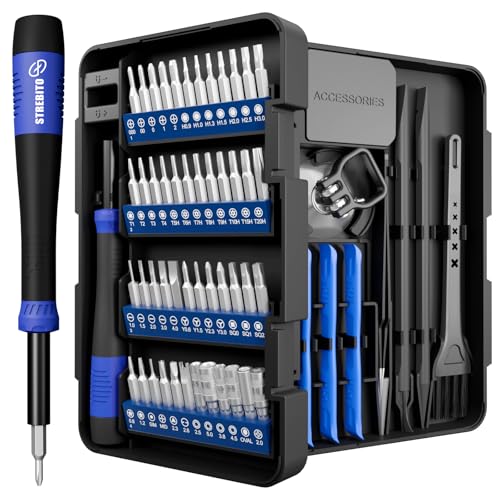
Learned that myself long ago working on my Colt SAA. Loved taking that thing apart and putting it back together. Also tried to mimic what I read about in some gun books. (The internet was just a “pie in the sky” idea at the time.
It took a well known SAA gunsmith only an instant to ask “You did this work, didn’t you?” when looking at the innards spread on his workbench. Meekly, I said “yea” while looking at the floor.
His response was “have a seat” and proceeded to give me an explanation of what role each part played - how they interacted - what, how, and where to file/polish/etc (and where not to) to do different things. He spoke his words of wisdom as he deftly manipulated and fit the (new) parts I had to buy. It was like a free college course in an afternoon.
I was a happy camper I’ll tell ya. Walked out with a finely tuned SAA….and two sets of internal parts that I could practice with to try and achieve the results he did.
PS - over the years I bought several more parts, usually after I broke them playing ‘Quicksdraw McGraw’. Many years later I ended up dropping it off to get repaired (broken firing pin, trigger, buggered screws, etc) and a rebluing due to holster wear.
Note: for all who are thinking “OMG” don’t fret. It was an NRA Centennial model. Those are the cheapest way to get into Colts for single action play. Plus it was a .357. Ended up selling it and getting the same gun in .45 Colt as well as several others over the years.
My only complaint today relates to my arthritis, trigger finger in half my fingers, and diminished eyesight. No more “quick draw” for me. Unless you’d like to see how many times I can fumble and drop YOUR Single Action.




![Pampers Sensitive Baby Wipes, Clinically Proven, Fragrance Free, Unscented, Water Based, Hypoallergenic, Multi-Use, Hand Wipes 336 Wipes Total (6X Flip-Top Packs) [Packaging May Vary]](https://m.media-amazon.com/images/I/41KLBHu9CAL._SL500_.jpg)